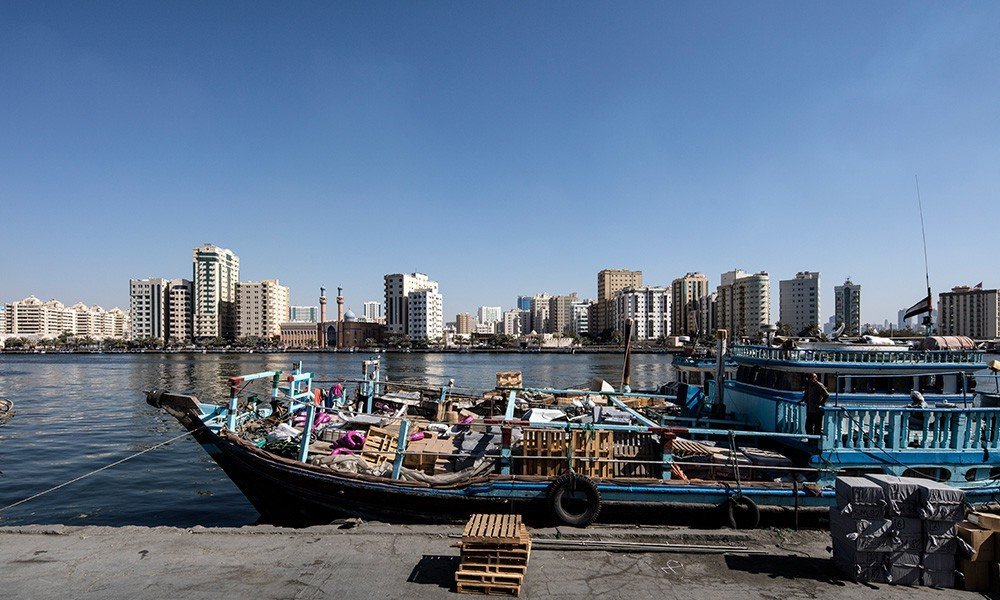
Sharjah
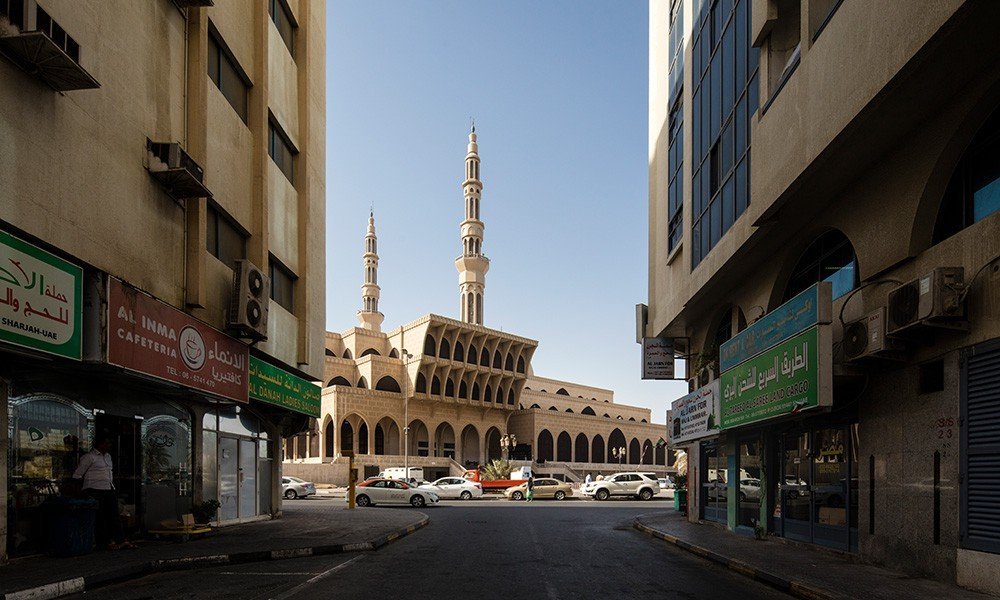
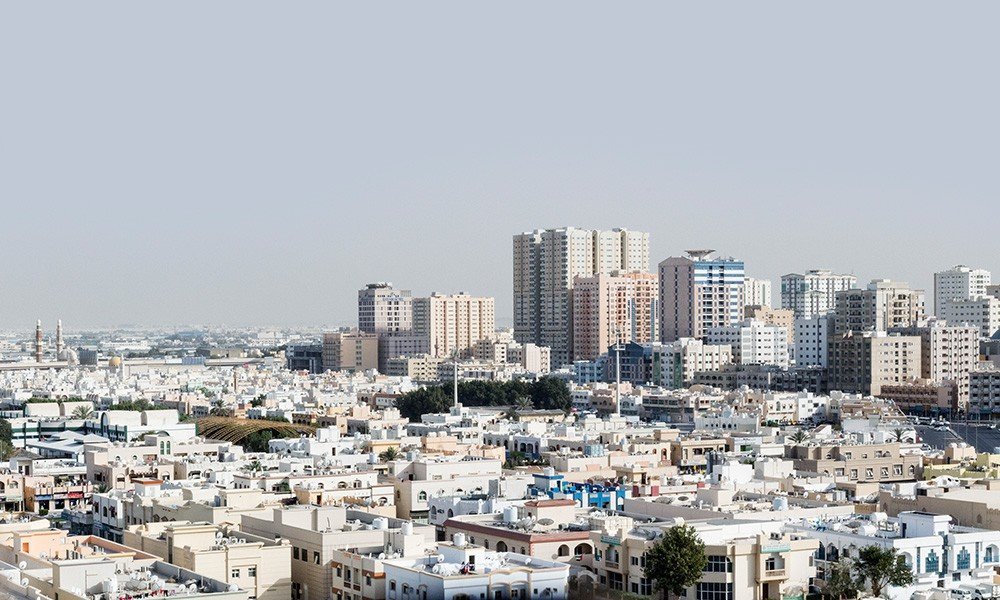
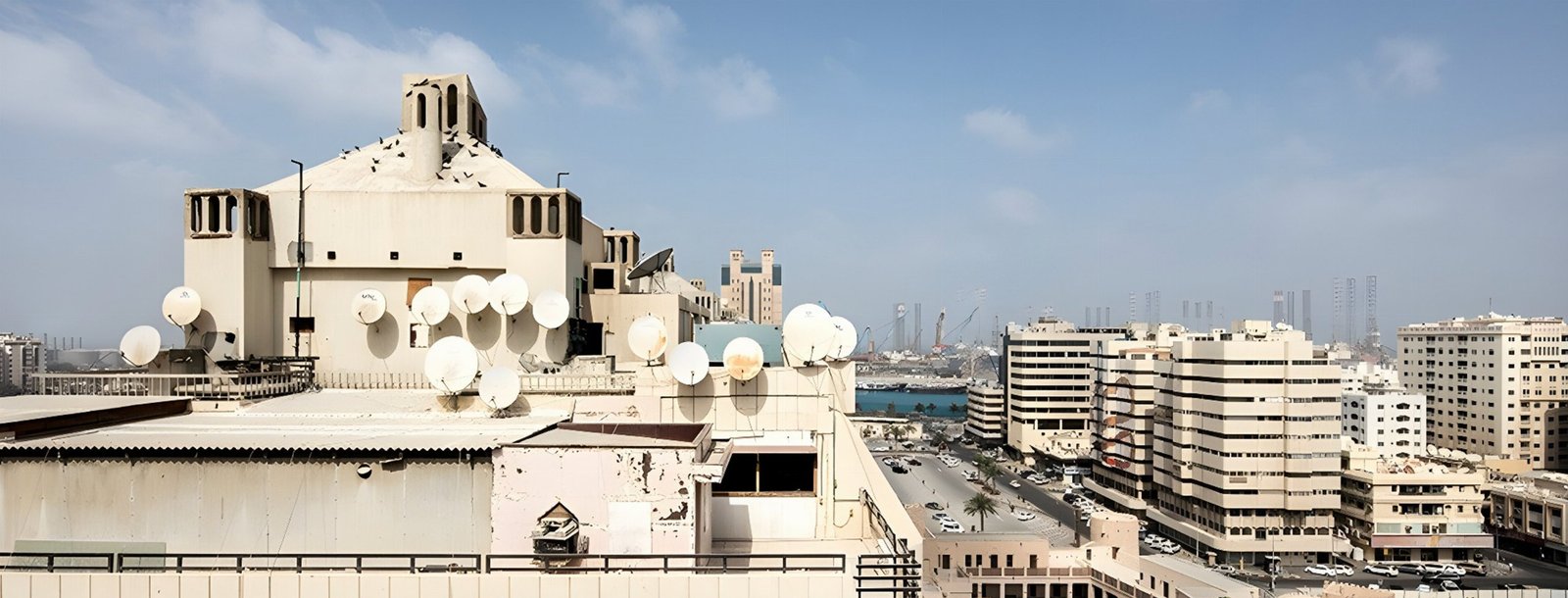
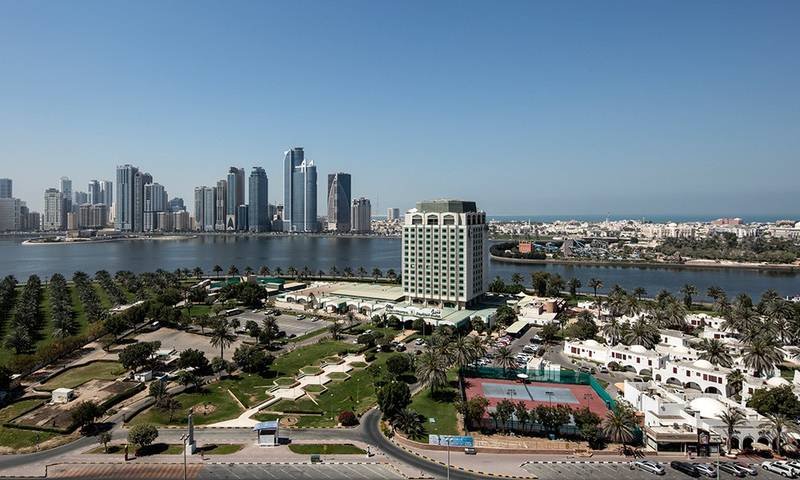
Uniquely situated on both the Gulf and Indian Ocean coasts, the Emirate of Sharjah—one of the seven that constitute the United Arab Emirates—stands at the crossroads of millennia of exchange and mobility, thereby offering an ideal place for conversations about architecture and urbanism. Archaeological sites and artifacts displayed at local museums reveal intimate links between inhabitants of the various settlements that flourished in Sharjah across history and contemporaneous civilizations, from the Mediterranean to the West, Mesopotamia to the north, and the Indus Valley to the east.This long history, as a node for transnational networks, has permitted twentieth-century Sharjah to evolve into one of the most vibrant cities in the region, and a multiethnic trading port following the formation of the UAE in 1971. Home to the first airport in the country, operational since the 1930s, Sharjah has been a crucial centre for connections across the entire coast of the Gulf, as well as India and Africa, and beyond. Sharjah is home to a diverse population with a strong Arab representation, and is embraced by its local and expatriate inhabitants alike.Uniquely, Sharjah shares borders with all other emirates in the UAE. Its built environment is marked by not only the habitable scale of its streets, and an urban landscape where past and present coexist, but also, by ongoing exchanges with other emirates, Gulf countries, and the wider region to which it is fundamentally linked.Architecturally, Sharjah reflects the diversity of its inhabitants as well as the vision of its leadership. Restored vernacular coral stone buildings with courtyards harken back to historical fishing and pearling societies. Expanding modern planned suburban neighbourhoods for Emiratis extend to the multi-story urban centre that houses expatriate Arab and South Asian families. Furthermore, neo-Islamic government and educational buildings reflect local pride in regional heritage. Sharjah's architecture is a unique amalgam that distinguishes it from other cities across the region.This rich legacy of cultural encounters is further highlighted by Sharjah's numerous cultural initiatives. Since its inception in 1993, the Sharjah Biennial has grown into one of the most influential global art institutions, Sharjah Art Foundation. The annual Sharjah International Book Fair, launched in 1982, attracts scholars and publishers from around the world. Additionally, Sharjah has been named the Arab Capital of Culture as well as the Capital of Islamic Culture in recognition of its pioneering cultural patronage.The Triennial complements these diverse initiatives, focusing the conversation on the critical role that architecture and urbanism can play in the present and future of a welcoming and liveable Sharjah.
Photograph by Ieva Saudargaitė